Your cart is currently empty!



Erosion Control in National and State Parks: Protecting Natural Beauty

National and state parks are treasures that showcase the natural beauty of landscapes, wildlife and ecosystems. However, these protected areas face a constant threat — erosion.
Erosion can degrade trails, damage vegetation and lead to sedimentation in waterways, impacting the park’s overall health. Erosion control is crucial for maintaining the integrity of these parks and ensuring their beauty lasts for future generations.
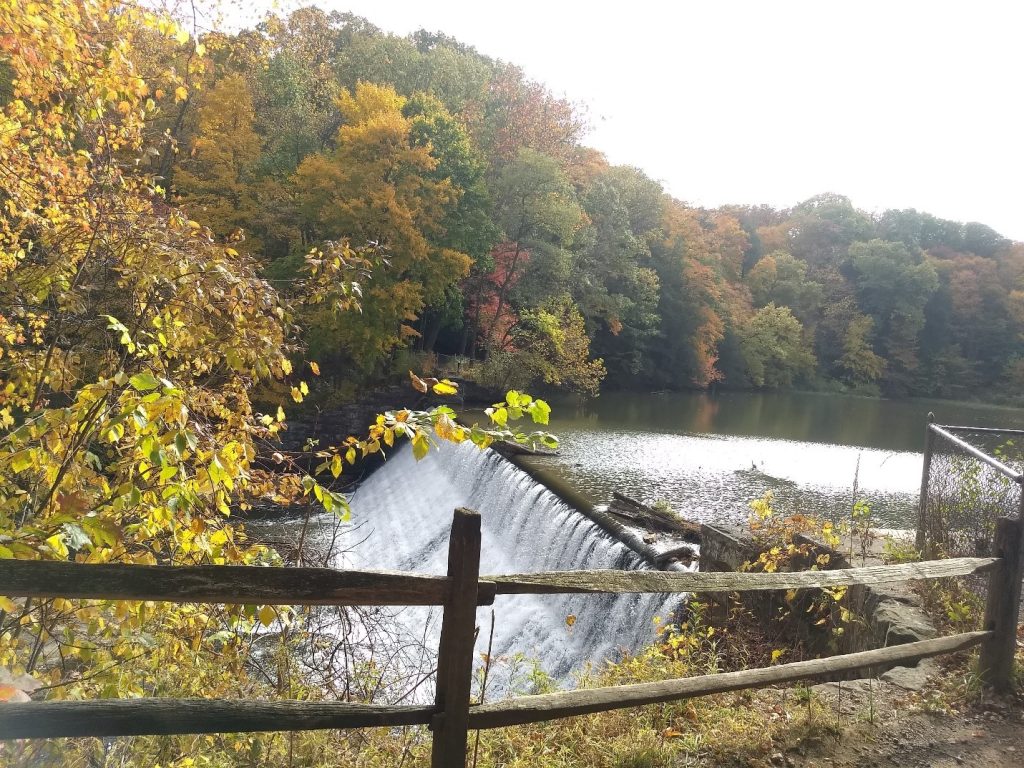
Mill Creek MetroParks in Youngstown, OH, Photo credit: Krystle Kimes
What Causes Erosion in Parks?
Erosion is a natural process, but human activity can accelerate it. In national and state parks, the most common causes include:
- Foot Traffic on Trails: Popular hiking trails experience significant foot traffic, which can compact soil, making it more susceptible to erosion.
- Water Runoff: Rainwater running off hillsides or paved surfaces can wash away topsoil, leading to severe erosion.
- Construction and Maintenance Projects: Road building, parking lots and maintenance work within parks often disturb the soil and contribute to erosion.
- Wildlife Activity: Large animals like deer or elk, along with invasive species, can disturb the soil and lead to erosion in vulnerable areas.
The Importance of Erosion Control
Erosion control in parks goes beyond maintaining the appearance of trails and landscapes;—it is vital for ecological health. Without proper control measures, sediment can pollute streams, rivers and lakes, affecting water quality and harming aquatic ecosystems. Erosion also threatens the habitats of wildlife and plant species, some of which are endangered or unique to these protected areas.
Effective Erosion Control Solutions for Parks
1. Vegetation Restoration
One of the most effective methods to prevent erosion is planting native vegetation. Deep-rooted plants, grasses and shrubs help stabilize the soil and reduce runoff. In areas where erosion has already begun, re-vegetation can help restore the landscape and create natural barriers to prevent further soil loss.
2. Sediment Control Barriers
Installing sediment control barriers, such as silt fences or straw wattles, can help slow down water runoff and trap soil particles. These barriers are essential on slopes, construction sites, or areas recently disturbed by maintenance work. They prevent sediment from entering waterways, protecting the park’s water quality.
3. Trail Design and Maintenance
Proper trail design is critical to reducing erosion. Trails should be planned with minimal disturbance to natural landscapes, avoiding steep slopes where erosion is more likely to occur. Regular maintenance of trails, including adding water bars, retaining walls, or gravel surfaces, can help divert water and prevent soil loss along frequently used paths.
5. Sustainable Drainage Solutions
In areas with heavy rainfall, sustainable drainage systems, such as bioswales or rain gardens, can be used to capture and filter runoff. These natural solutions slow the flow of water, allowing it to infiltrate the soil and reduce the risk of erosion.
The Role of Public Awareness
Educating park visitors about the importance of staying on marked trails, avoiding sensitive areas, and understanding the long-term effects of erosion is crucial. Parks often use signage and outreach campaigns to raise awareness and encourage responsible behavior, helping to reduce human impact on these environments.
Erosion control is essential to preserving the beauty and ecological health of national and state parks. By employing a combination of natural and engineered solutions, park managers can protect these areas from the damaging effects of erosion.
Whether it’s through re-vegetation, sediment control barriers, or sustainable trail design, erosion control measures ensure that future generations can enjoy the wonders of our parks without witnessing their degradation.
Contact Core Erosion Control today for all your sediment and erosion control needs to protect the environment!