Your cart is currently empty!



Exploring the Different Types of Soil Erosion
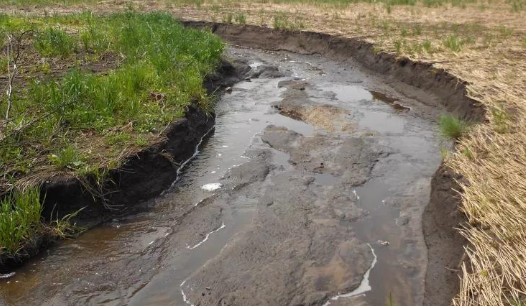
Soil erosion refers to the process by which soil is removed from its original location by various agents such as water, wind, ice or human activity. There are several types of soil erosion, each caused by different factors and processes:
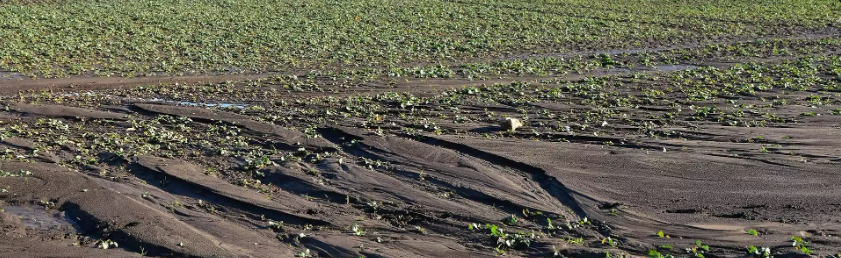
- Water Erosion:
- Sheet Erosion: Occurs when thin layers of soil are removed uniformly across a wide area due to the force of flowing water.
- Rill Erosion: Results from the development of small, shallow channels or depressions in the soil surface due to the concentration of water flow.
- Gully Erosion: Occurs when water flow concentrates into larger channels, forming deeper cuts or gullies in the soil.
- Streambank Erosion: Refers to the wearing away of soil along the banks of streams and rivers due to the force of flowing water.
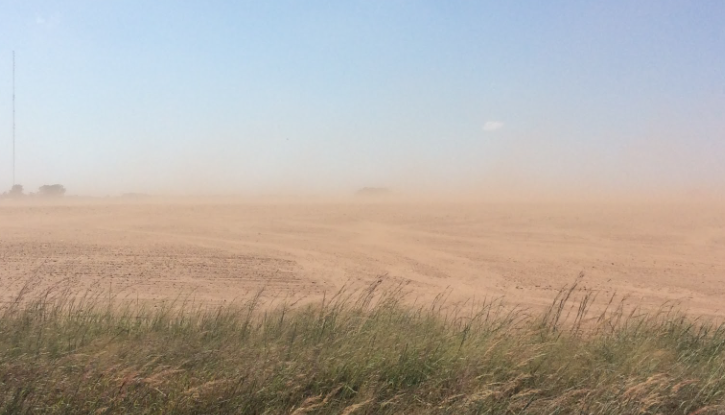
- Wind Erosion:
- Surface Creep: Involves the movement of loose soil particles across the surface of the land due to wind action.
- Saltation: Occurs when wind picks up and carries heavier soil particles, causing them to bounce and collide with the ground, dislodging more soil.
- Suspension: Involves the transport of fine soil particles by wind, where they remain suspended in the air for some time before settling elsewhere.
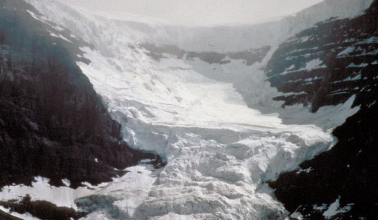
- Glacial Erosion: Refers to the process by which glaciers and ice sheets move over land, picking up and carrying large amounts of soil and rock debris.
- Erosion by Gravity:
- Mass Movement: Involves the downhill movement of soil and rock under the influence of gravity, often triggered by factors such as heavy rainfall, earthquakes or human activity. Examples include landslides, rockfalls and slumps.
- Erosion by Human Activity:
- Tillage Erosion: Occurs when soil is displaced by mechanical action during farming activities such as plowing, cultivating or harvesting.
- Construction Erosion: Results from the disturbance of soil during construction activities such as building roads, infrastructure or urban development.
- Mining Erosion: Involves the removal of soil and rock layers during mining operations, leading to soil degradation and loss.
Each type of erosion can have significant environmental and economic consequences, including loss of fertile soil, decreased agricultural productivity, sedimentation of water bodies and habitat degradation. Implementing erosion control measures and sustainable land management practices are crucial for mitigating these impacts and preserving soil resources
Are these types of soil erosion something you help manage? CORE Erosion Control products can help with these and other types of erosion issues. Contact us today!