Your cart is currently empty!



How to Predict the Future of Erosion

Various factors must be considered when determining how erosion will trend in the future. Climate change, land use practices, geological characteristics and human interventions are just a few to name. Here are some potential trends and scenarios to keep in your back pocket.
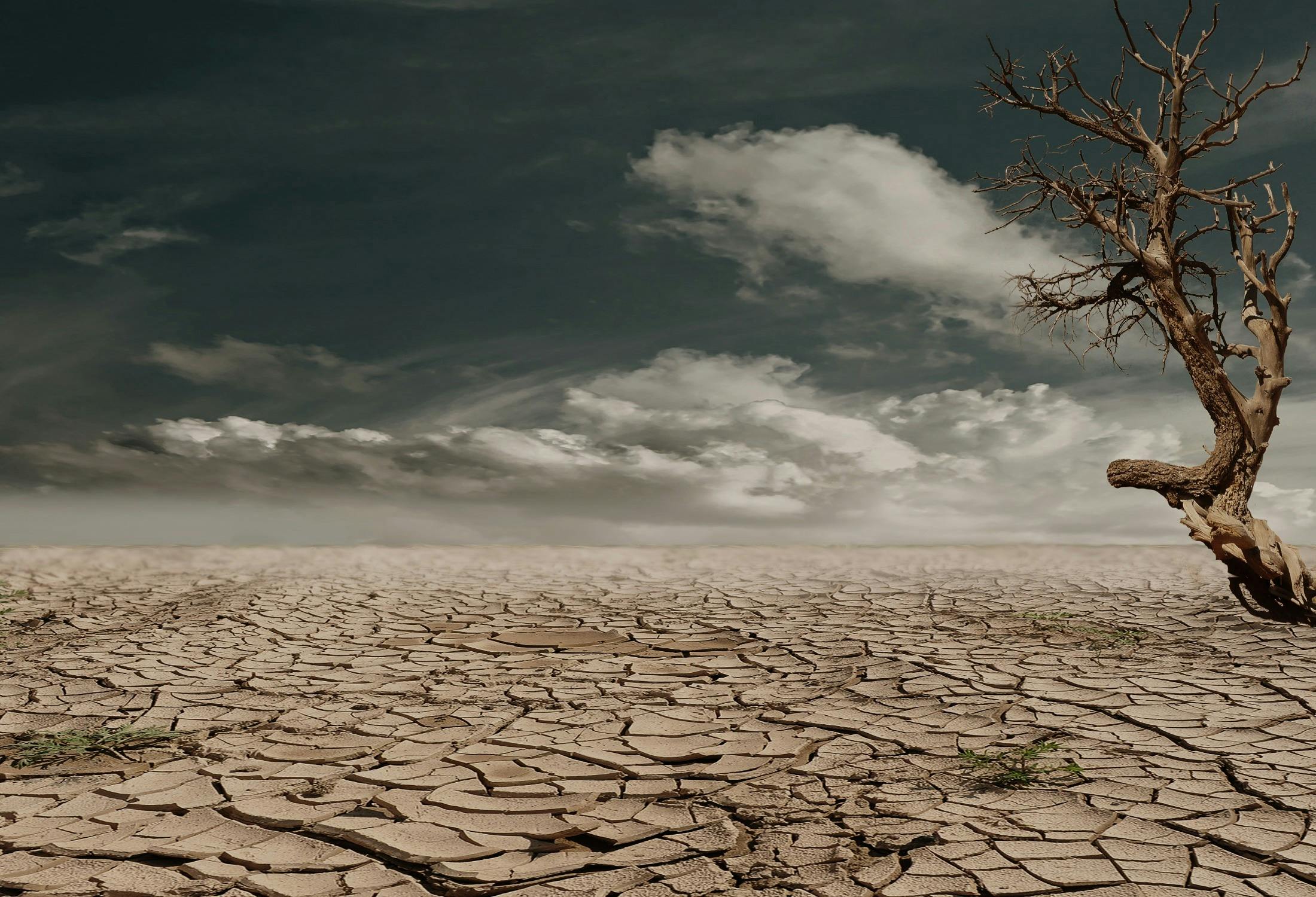
Climate Change Impact: As climate change intensifies, extreme weather events like heavy rainfall, storms and droughts may become more frequent and severe. This could accelerate erosion processes, particularly in vulnerable areas like coastlines and arid regions.
Increased Soil Erosion: Changes in precipitation patterns and temperature fluctuations can affect soil moisture levels and vegetation cover, leading to increased vulnerability to erosion. Deforestation, overgrazing and unsustainable agricultural practices can soil erosion rates.

Coastal Erosion: Rising sea levels and increased storm surges due to climate change are expected to contribute to coastal erosion. This could lead to the loss of land, damage to infrastructure and displacement of coastal communities.
Urbanization: Rapid urbanization often involves extensive land clearing, alteration of natural drainage patterns and increased impervious surfaces, all of which can amplify erosion in urban areas. Effective urban planning and green infrastructure can help mitigate these effects.
Technological Solutions: Advances in technology may offer new tools and techniques for erosion control and mitigation. These could include innovative soil stabilization methods, erosion-resistant materials and remote sensing technologies for monitoring and predicting erosion patterns.
Policy and Management: Effective policies and management strategies will be crucial for addressing erosion at local, regional, and global scales. This may involve implementing land use regulations, promoting sustainable agriculture practices, restoring degraded ecosystems and investing in erosion control infrastructure.
Community Engagement and Education: Increasing awareness and understanding of erosion and its impacts can empower communities to take action to prevent and mitigate erosion. Education programs, community-based erosion monitoring initiatives, and stakeholder collaboration can play a vital role in erosion management efforts.
Overall, the future of erosion will likely be shaped by a complex interplay of environmental, social, economic and technological factors. Efforts to address erosion will require a holistic and collaborative approach involving governments, communities, businesses and scientific institutions.