Your cart is currently empty!



Understanding the Forebay: A Key Component in Water Management Systems
When delving into the intricacies of water management systems, you might often encounter the term “forebay.” While it may not be a household name, the forebay plays a crucial role in various water-related infrastructures. In this blog post, we’ll explore what a forebay is, its purpose, and its significance in water management.
A forebay is essentially a storage or settling basin used in water management systems. It serves as an intermediary reservoir situated upstream of water control structures such as dams, hydropower plants or water treatment facilities. Its primary function is to regulate and control the flow of water entering these structures, ensuring optimal conditions for their operation.
The Purpose of a Forebay
- Flow Regulation: One of the main purposes of a forebay is to regulate the flow of water. By acting as a buffer, it helps to maintain a steady and controlled flow of water, which is critical for the efficient functioning of downstream facilities. This regulation helps in preventing sudden surges or drops in water levels that could potentially damage infrastructure.
- Sediment Settling: Forebays also play a crucial role in sediment management. As water flows into the forebay, it slows down, allowing heavier sediments to settle at the bottom. This process helps in reducing the amount of sediment that reaches the downstream facilities, thereby minimizing wear and tear and improving overall efficiency.
- Debris Control: In addition to sediment, forebays help in trapping debris such as leaves, branches and other floating materials. This pre-treatment step is vital for protecting turbines, pumps and other mechanical components from damage and blockages.
- Temperature Moderation: In some cases, forebays can help moderate the temperature of the water. This is particularly important for hydropower plants and certain industrial processes that require water at specific temperatures for optimal performance.
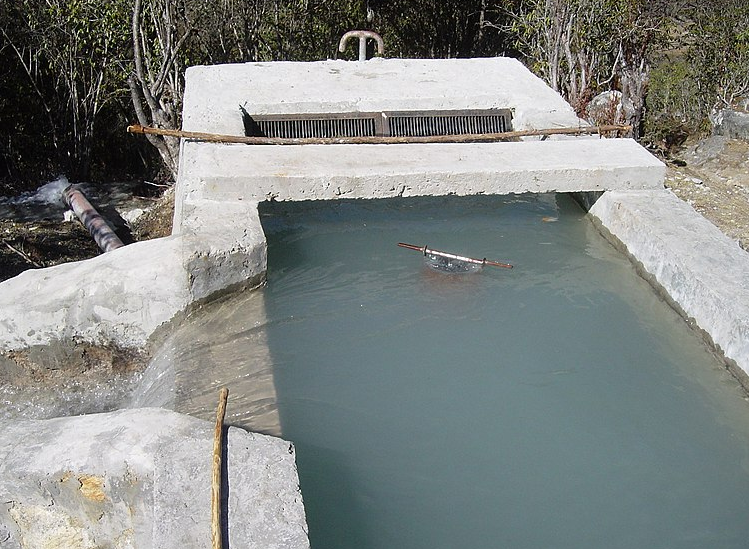
Types of Forebays
Forebays can be classified based on their design and specific application. Here are a few common types:
- Hydropower Forebays: These are typically located at the intake of hydropower plants. They ensure a consistent and controlled water flow to the turbines, enhancing the efficiency and lifespan of the plant.
- Water Treatment Forebays: Used in water treatment facilities, these forebays help in the preliminary settling of sediments and debris, ensuring cleaner water enters the treatment process.
- Irrigation Forebays: In agricultural settings, forebays are used to regulate water flow for irrigation systems, ensuring a steady supply and reducing the risk of flooding or water shortage.
Significance in Water Management
The significance of forebays in water management cannot be overstated. They are vital for the protection and efficiency of downstream infrastructures. By providing a controlled environment where water can be pre-treated, forebays enhance the longevity and functionality of dams, hydropower plants and water treatment facilities.
Forebays are an integral component of water management systems, serving multiple purposes from flow regulation to sediment settling and debris control. Understanding their role helps us appreciate the complexities of water management and the engineering solutions designed to ensure the efficient and sustainable use of our water resources.
The team at CORE Erosion Control Services can help you mitigate and manage erosion and sediment control for any job, small or large. Contact us today for more information.