Your cart is currently empty!



Economic Developments in Sediment Control: Investing Today for Tomorrow’s Savings

Sediment control is a critical aspect of environmental management that often goes unnoticed until it becomes a pressing issue.
Economic developments highlight the importance of investing in sediment control measures, not just for environmental sustainability but also for substantial long-term economic benefits.
By examining how proactive sediment control can save money by preventing costly environmental damage and fines, we can better understand its value as an essential investment.
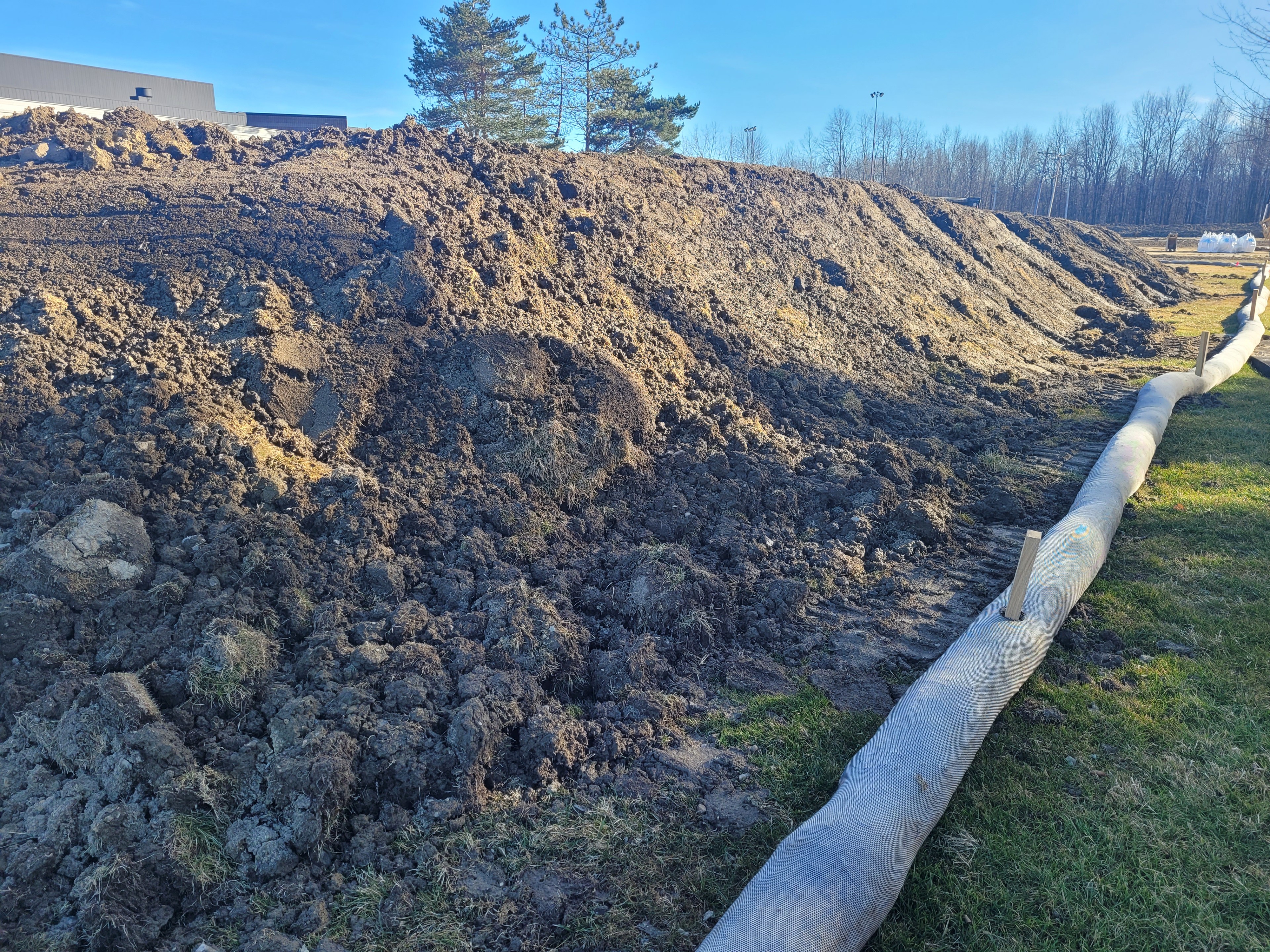
The Cost of Neglecting Sediment Control
Before delving into the economic benefits of sediment control, it’s important to understand the financial repercussions of neglecting it. When sediment runoff is not properly managed, it can lead to several costly issues, including:
- Environmental Damage: Sediment can smother aquatic habitats, leading to the loss of fish and other wildlife. This can have a ripple effect on local economies, particularly those dependent on fishing and tourism.
- Water Quality Degradation: Sediment-laden runoff can degrade water quality, increasing the cost of water treatment and impacting public health.
- Infrastructure Damage: Accumulated sediment can clog stormwater systems, leading to increased maintenance costs and flood damage.
- Regulatory Fines: Failure to comply with sediment control regulations can result in hefty fines and legal fees, further straining budgets.
Economic Benefits of Investing in Sediment Control
Investing in sediment control measures can lead to significant economic benefits, often outweighing the initial costs. Here’s how:
- Reduced Environmental Damage and Restoration Costs:
- By implementing effective sediment control measures, municipalities and businesses can prevent the severe environmental damage that often requires costly restoration efforts.
- Healthy ecosystems provide numerous services, such as clean water, recreational opportunities and biodiversity, which can boost local economies.
- Lower Water Treatment Costs:
- Sediment control helps maintain cleaner water bodies, reducing the burden on water treatment facilities. This translates to lower operational costs and potentially lower water bills for consumers.
- Preventing sediment from entering waterways can also protect against the contamination of drinking water sources, ensuring safer and more cost-effective water supply management.
- Infrastructure Protection and Maintenance Savings:
- Proper sediment control can prevent the clogging of stormwater systems and reduce the risk of flooding. This leads to lower maintenance and repair costs for infrastructure.
- Well-maintained infrastructure is essential for the smooth operation of communities and businesses, preventing costly disruptions and damage.
- Avoidance of Regulatory Fines and Legal Fees:
- Compliance with sediment control regulations helps avoid fines and legal issues that can arise from non-compliance.
- Proactive measures demonstrate a commitment to environmental stewardship, which can enhance a company’s reputation and lead to better relationships with regulators and the community.
Long-Term Economic Growth and Sustainability
Investing in sediment control is not just about avoiding costs; it’s about fostering long-term economic growth and sustainability. Communities that prioritize sediment control can attract new businesses and residents, thanks to cleaner environments and better quality of life.
Sustainable practices can open up new funding opportunities, such as grants and incentives for environmental initiatives.
The economic developments in sediment control underscore the importance of investing in proactive measures to protect our environment and save money in the long run.
By preventing costly environmental damage, reducing water treatment and infrastructure maintenance costs, and avoiding regulatory fines, sediment control investments offer significant financial returns.
As we move toward a more sustainable future, the role of sediment control in economic planning and development cannot be overstated. Embracing these measures today will ensure a healthier, more prosperous tomorrow for our communities and businesses.
To learn more about how the CORE team can help you with your erosion and sediment control needs, contact us today!