Your cart is currently empty!



Safeguarding Our Waterways: Strategies to Prevent Chemical Erosion
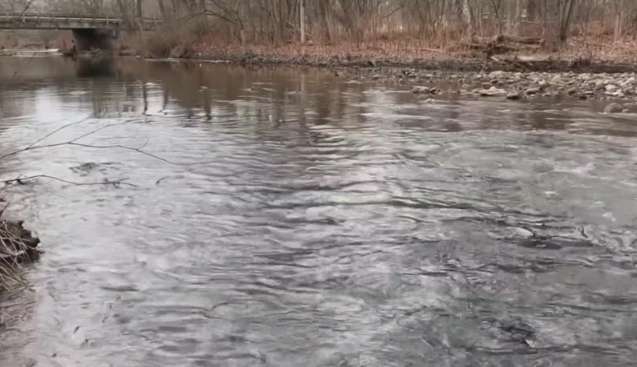
Our waterways are invaluable resources that support diverse ecosystems, provide drinking water and sustain countless livelihoods. However, these bodies of water face a growing threat from chemical erosion, which occurs when pollutants, such as fertilizers, pesticides and industrial chemicals, are washed into rivers, lakes and oceans.
Chemical erosion not only harms aquatic life but also jeopardizes human health and compromises water quality. To safeguard our waterways for future generations, it’s crucial to implement effective strategies to prevent and mitigate chemical erosion.
Understanding Chemical Erosion
Chemical erosion, also known as chemical runoff or leaching, occurs when chemicals from various sources are carried by rainfall or irrigation water into nearby water bodies. These chemicals originate from agricultural activities, urban runoff, industrial processes and even household products. Once in the water, they can degrade water quality, disrupt ecosystems and pose serious health risks to both humans and wildlife.

Key Sources of Chemical Erosion
- Agriculture: Agricultural activities, including the use of fertilizers, pesticides and herbicides, are major contributors to chemical erosion. Rainfall can wash these chemicals off fields and into rivers and streams, especially if applied in excessive amounts or during heavy precipitation.
- Urban Runoff: Urban areas contribute to chemical erosion through runoff from roads, rooftops and other impervious surfaces. This runoff often contains pollutants such as oil, heavy metals and synthetic chemicals from vehicles, industrial sites and household products.
- Industrial Discharges: Industrial facilities can release a variety of chemicals into water bodies through direct discharges or accidental spills. These chemicals may include heavy metals, solvents and toxic substances that can have severe environmental and health impacts like what happened in East Palestine, Ohio. On February 3, 2023, toxic chemicals carried by 38 cars on a Norfolk Southern freight train carrying hazardous materials derailed, causing concern to soil and local creeks.
Strategies for Prevention and Mitigation
- Sustainable Agriculture Practices: Implementing sustainable agriculture practices can significantly reduce chemical erosion from farms. Techniques such as precision farming, cover cropping, and crop rotation help minimize the use of fertilizers and pesticides while promoting soil health and water retention.
- Vegetative Cover: Establishing vegetative cover along waterways can intercept and filter out pollutants before they reach the water. These natural barriers help reduce erosion, stabilize stream banks and provide habitat for wildlife.
- Green Infrastructure: Investing in green infrastructure, such as permeable pavement, green roofs and rain gardens, can reduce urban runoff and mitigate chemical erosion in urban areas. These solutions help absorb and infiltrate rainwater, preventing it from carrying pollutants into water bodies.
- Pollution Prevention Measures: Implementing pollution prevention measures in industrial facilities, such as proper storage and handling of chemicals, spill prevention plans and wastewater treatment, can minimize the risk of chemical discharges into waterways.
- Public Education and Outreach: Increasing public awareness about the impacts of chemical erosion and promoting responsible stewardship of water resources is essential. Educational campaigns can empower individuals to adopt eco-friendly practices in their daily lives, such as using non-toxic household cleaners and properly disposing of hazardous waste.
Protecting our waterways from chemical erosion requires a multi-faceted approach that addresses the diverse sources of pollution and promotes sustainable practices across sectors.
By implementing strategies such as sustainable agriculture, green infrastructure and pollution prevention measures, we can safeguard the health and integrity of our waterways for current and future generations.
It’s imperative that we prioritize the protection of these invaluable resources to ensure a healthy environment and thriving communities.
The team at CORE Erosion Control Services can help you mitigate and manage erosion and sediment control for any job, small or large. Contact us today for more information.