Your cart is currently empty!



Erosion Control in Pipelines and Power Transmission Lines

As the demand for energy continues to rise globally, the construction and expansion of pipelines and power transmission lines have become critical to ensuring the supply of natural gas, oil and electricity.
These large-scale infrastructure projects often face the challenge of erosion. If left unmanaged, erosion can cause significant environmental degradation, reduce the lifespan of these systems and increase maintenance costs.
Implementing effective erosion control strategies is essential to balance the operational needs of pipelines and power transmission lines while protecting the surrounding environment.
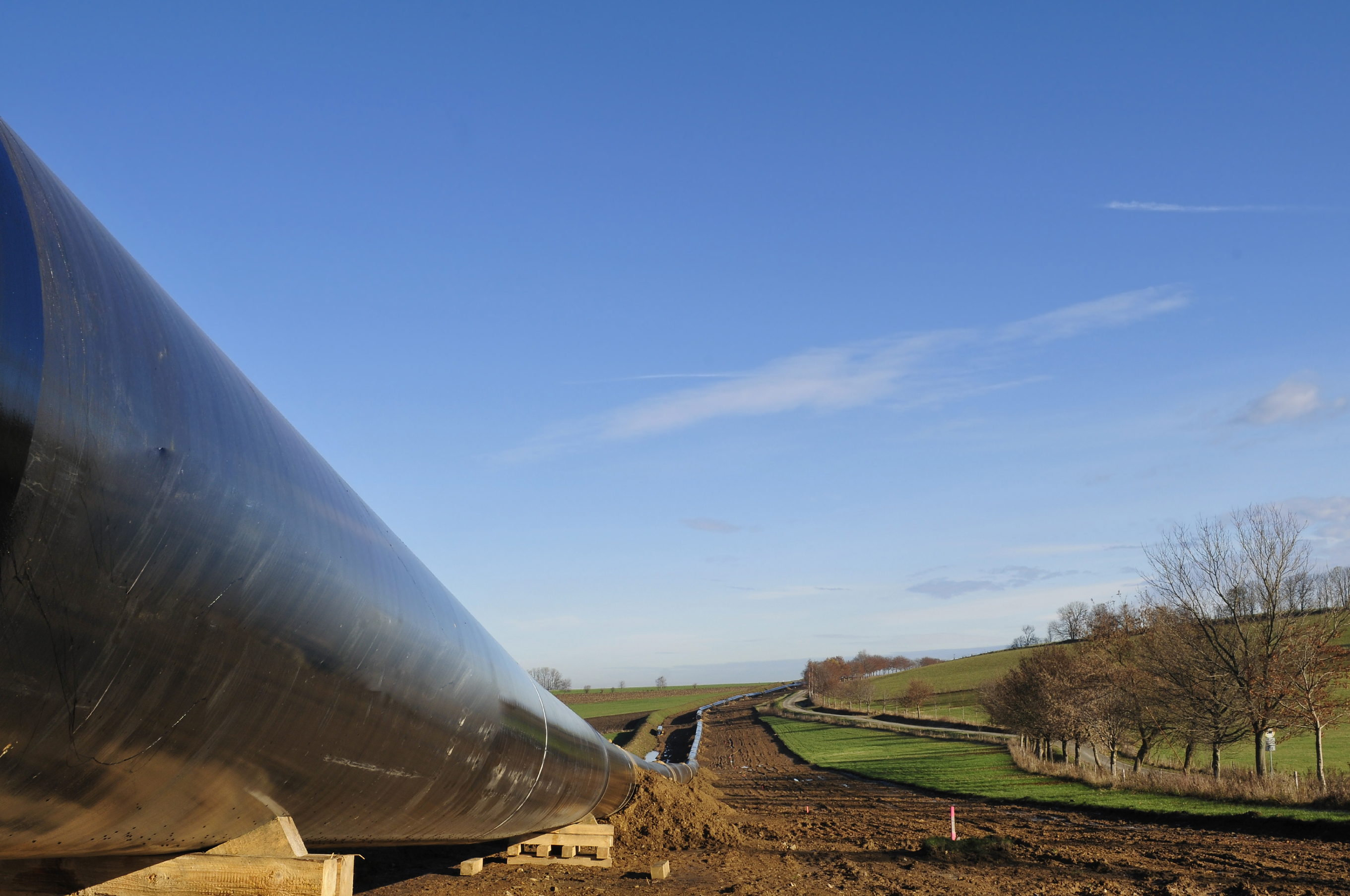
Understanding Erosion in Pipeline and Transmission Line Projects
Erosion occurs when wind, water or ice displaces soil and rock from one location to another, potentially causing land degradation.
In pipeline and transmission line projects, erosion is particularly concerning during the construction phase, as large tracts of land are cleared and the natural protective vegetation is often removed.
This leaves soil vulnerable to the forces of nature. Key factors contributing to erosion in these projects include:
- Topography: Sloped terrain accelerates water flow, leading to greater soil displacement.
- Soil Type: Sandy and loosely packed soils are more prone to erosion than clay-based or compacted soils.
- Weather Conditions: Heavy rainfall, snowmelt and strong winds can exacerbate erosion, especially in regions with intense seasonal weather patterns.
- Human Activity: The installation of infrastructure, machinery movement and changes to water drainage patterns can weaken soil stability.
The Impact of Erosion on Pipelines and Transmission Lines
Erosion, if left unchecked, poses significant risks to both the infrastructure and the environment. Some of the potential consequences include.
- Exposure of Pipelines and Foundations: Erosion can strip away the soil and material covering pipelines, exposing them to damage from natural elements, heavy equipment, or external corrosion. Similarly, erosion can compromise the foundations of transmission towers, increasing the risk of collapse.
- Increased Maintenance Costs: Infrastructure exposed to the elements requires constant monitoring and repairs, increasing operational costs. Severe erosion can necessitate reburial of pipelines or reinforcement of transmission structures.
- Environmental Damage: Erosion can lead to sediment runoff, which harms nearby water bodies by increasing turbidity and disrupting aquatic ecosystems.
- Regulatory Non-Compliance: Many governments and environmental agencies enforce strict erosion control regulations. Failure to comply can result in hefty fines, project delays or legal actions.
Erosion Control Strategies for Pipelines and Power Transmission Lines
To prevent the effects of erosion, a range of best practices and erosion control measures can be implemented in pipeline and transmission line projects.
1. Vegetative Cover
Revegetation is one of the most effective long-term strategies for controlling erosion. Grass, shrubs and other plants help anchor the soil with their roots and reduce the velocity of surface runoff. In pipeline construction, this often involves reseeding cleared land with native plant species to stabilize the soil and restore the ecosystem.
2. Erosion Control sock, Silt Fences and Sediment Barriers
Silt fences, straw wattles, filter socks and other sediment barriers are temporary structures installed during construction to prevent sediment-laden runoff from entering nearby water bodies. These barriers trap soil particles and keep the surrounding environment safe from sedimentation and pollution.
3. Water Diversion Systems
In areas prone to heavy rainfall or snowmelt, proper water management is crucial. Installing drainage systems such as swales, culverts and diversion ditches helps control the flow of water away from exposed soil, reducing the risk of erosion. These systems must be maintained regularly for effectiveness.
4. Regular Inspections and Maintenance
Post-construction, regular inspections of pipelines and transmission lines are essential to identify early signs of erosion. Proactive maintenance, including the replenishment of vegetation or repair of erosion control structures, helps mitigate the long-term effects and prevents costly damage.
The Role of Technology in Erosion Control
New technologies are playing an increasingly important role in erosion control. Remote sensing, drones monitor erosion and environmental changes in real-time. These technologies help engineers detect problem areas quickly and implement necessary measures before erosion becomes severe.
Effective erosion control is essential for the success and sustainability of pipeline and power transmission line projects. By adopting best practices in land management, utilizing modern technologies and adhering to regulatory requirements, companies can protect their infrastructure while minimizing environmental impacts.
The economic and environmental costs of erosion are far too great to ignore, making proactive erosion control strategies a vital component of every project.
In doing so, we can achieve a balance between the development of critical energy infrastructure and the preservation of our natural landscapes. Contact CORE Erosion Control today for your erosion and sediment control needs!