Your cart is currently empty!



The Deterioration Rate of Erosion Control Filter Socks: Ohio vs. Texas weather
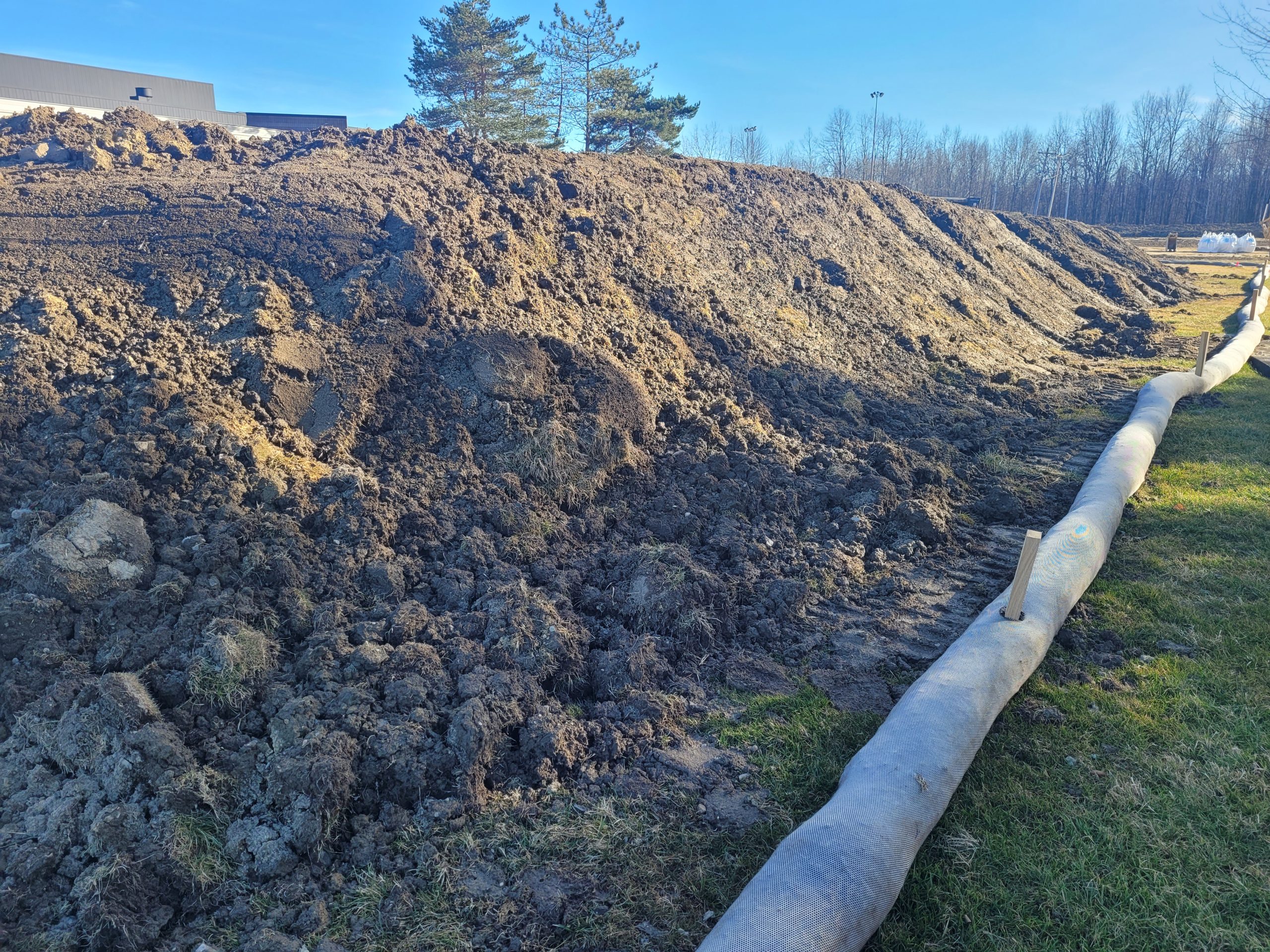

Material and Longevity
- Biodegradable Filter Socks: Made from natural fibers such as straw, coconut fiber or other organic materials, these socks typically last between six months to two years. The exact duration can be influenced by moisture levels, temperature and biological activity in the soil.
- Synthetic Filter Socks: Made from materials like polypropylene, these socks can last significantly longer, often up to five years or more, depending on UV exposure and physical wear.
Environmental Factors
- Texas:
- Climate: Texas has a wide range of climates, from very dry in the west to humid and subtropical in the east. Higher temperatures and UV exposure can accelerate the breakdown of biodegradable materials.
- Soil and Moisture: Areas with higher rainfall and humidity will see faster decomposition of biodegradable socks due to increased microbial activity. Drier areas might see slower decomposition.
- Ohio:
- Climate: Ohio has a humid continental climate, with cold winters and warm summers. The seasonal temperature variation can impact the durability of filter socks.
- Soil and Moisture: Ohio generally has good moisture levels, which can promote faster breakdown of biodegradable materials. The presence of snow and ice in winter can also impact the physical integrity of the socks.
Practical Lifespan
- Biodegradable Filter Socks:
- Texas: Typically last around six months to 1.5 years, with potentially faster degradation in wetter and warmer regions.
- Ohio: Typically last around one to two years, with the colder climate slowing down some aspects of decomposition but higher moisture aiding in biodegradation during warmer months.
- Synthetic Filter Socks:
- Texas: Can last three to five years, but intense UV exposure may lead to faster wear and tear.
- Ohio: Can last three to five years or more, with less intense UV exposure compared to Texas, potentially extending their lifespan slightly.
Maintenance Considerations
Regular inspections and maintenance can extend the functional lifespan of filter socks. This includes checking for physical damage, ensuring proper placement and replacing sections as needed.
Biodegradable filter socks typically last between six months to two years, with Texas seeing potentially faster degradation in certain areas compared to Ohio. Synthetic filter socks generally last longer, from three to five years, with environmental factors playing a significant role in their deterioration rate.
The team at CORE Erosion Control Services can help you mitigate and manager erosion and sediment control for any job, small or large. Contact us today for more information.