Your cart is currently empty!



Sediment Control in Urban Development: Adapting to a Growing Urban Landscape
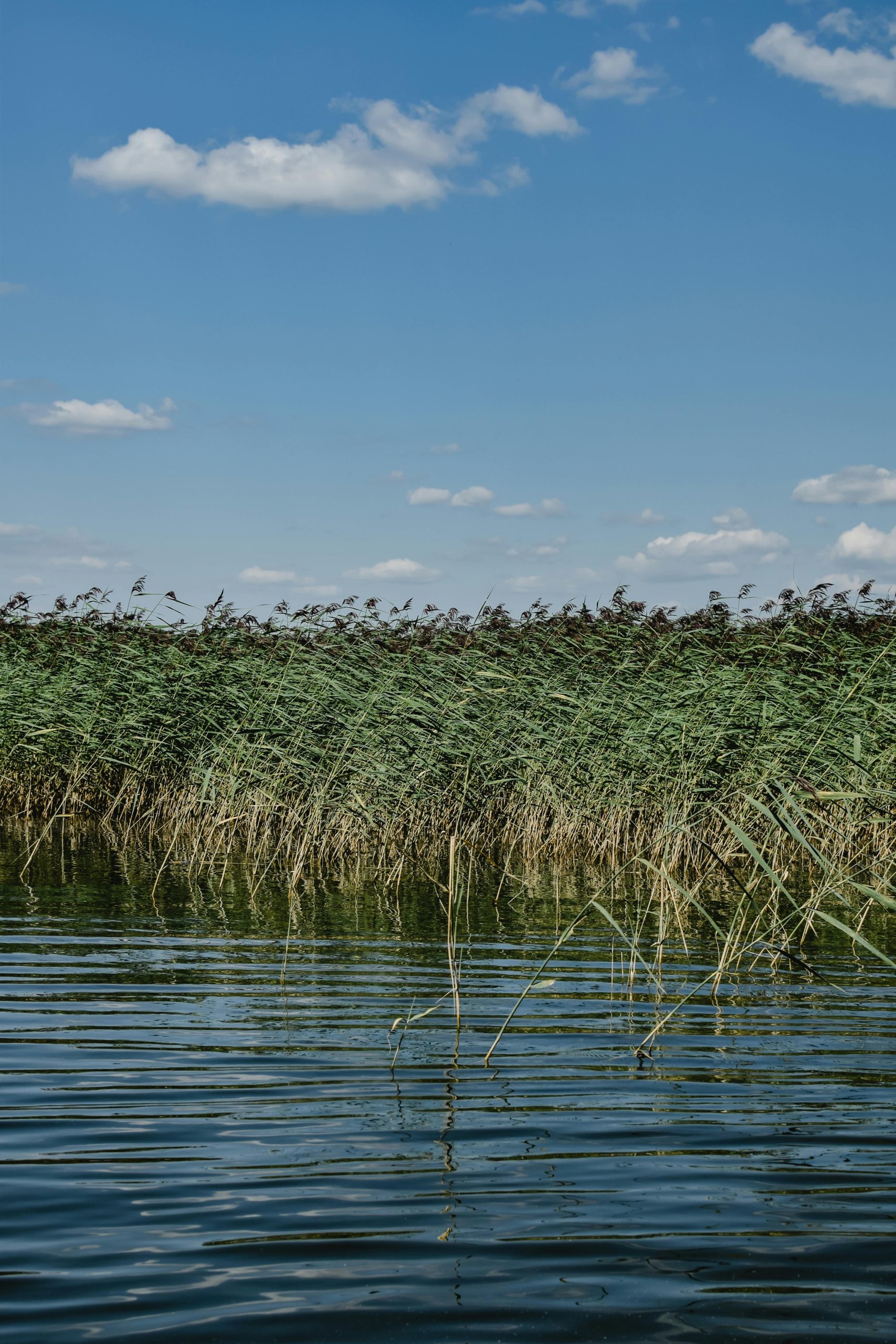
A surge in urban development brings about significant changes in land use and the natural environment, presenting new challenges in sediment control.
As cities expand and landscapes transform, managing sediment becomes crucial for protecting water quality, infrastructure and ecosystems.
Let’s explore how growing urbanization will impact sediment control needs and strategies in the future.
The Impact of Urbanization on Sediment Control
Urbanization fundamentally alters the landscape. As natural land cover is replaced with impervious surfaces like concrete and asphalt, the natural infiltration of water is significantly reduced. This change increases surface runoff during rain events, which can carry large amounts of sediment into nearby waterways. Increased sediment load can have severe consequences, such as:
Water Quality Degradation
Sediments often carry pollutants like heavy metals, nutrients and pathogens that can degrade water quality, impacting aquatic ecosystems and posing health risks to humans.
Habitat Disruption
Excessive sedimentation can smother aquatic habitats, reducing biodiversity and disrupting the life cycles of fish and other aquatic organisms.
Flooding and Erosion
High sediment loads can lead to the siltation of stormwater systems and natural watercourses, increasing the risk of flooding. Additionally, the increased flow velocity due to impervious surfaces can accelerate erosion, further contributing to sediment issues.
Future Sediment Control Needs in Urban Environments
As urban areas continue to grow, the demand for effective sediment control strategies will intensify.
The following are key areas where sediment control needs will evolve:
- Innovative Stormwater Management: Traditional stormwater systems are often inadequate for managing the increased runoff associated with urbanization. Future strategies will likely focus on integrating green infrastructure solutions such as rain gardens, permeable pavements and green roofs, which help reduce runoff and filter out sediments.
- Enhanced Erosion Control Practices: With more construction and land disturbance occurring in urban areas, there will be a greater need for advanced erosion control measures. This could include the use of CORE erosion control products that effectively trap sediments before they reach water bodies.
- Data-Driven Monitoring and Management: The use of technology in monitoring sediment levels and the effectiveness of control measures will become increasingly important. Drones, remote sensing and real-time data analytics can provide valuable insights, allowing for timely interventions and adaptive management strategies.
- Policy and Regulation: As the impacts of sedimentation become more apparent, we can expect stricter regulations and guidelines for sediment control in urban development projects. Developers and municipalities will need to adhere to more rigorous standards to minimize sediment runoff and its associated impacts.
- Community Engagement and Education: Public awareness and community involvement in sediment control are vital. Educating residents and businesses about the importance of sediment control practices can lead to better compliance and support for sustainable urban development initiatives.
Strategies for Effective Sediment Control in Urban Areas
To address the growing sediment control challenges in urban environments, a multifaceted approach is required.
Here are some strategies that can be employed:
- Promote Sustainable Landscaping: Encouraging the use of native vegetation and minimizing soil disturbance can help reduce erosion and sedimentation. Native plants are well-adapted to local conditions and can provide effective ground cover that reduces surface runoff.
- Adopt a Watershed Approach: Managing sediment control at the watershed level ensures that all contributing factors are considered, promoting a more comprehensive and sustainable solution. This approach involves collaboration including local governments, developers and community groups.
- Invest in Green Infrastructure: Green infrastructure not only helps manage stormwater but also provides aesthetic and environmental benefits. Cities can incorporate features like bioswales, constructed wetlands and vegetative swales to reduce sediment transport and improve water quality.
As urbanization continues to shape our landscapes, the need for effective sediment control will become increasingly critical. By adopting innovative strategies, we can mitigate the negative impacts of sedimentation and support sustainable urban development.
At Core Erosion Control, we are committed to providing solutions that help communities manage their sediment control needs today and into the future. Together, we can build resilient areas that protect our water resources and natural environments. Contact us today!